

Harry Potter and the Memory Gap
How cultural memory edits our shared reading list

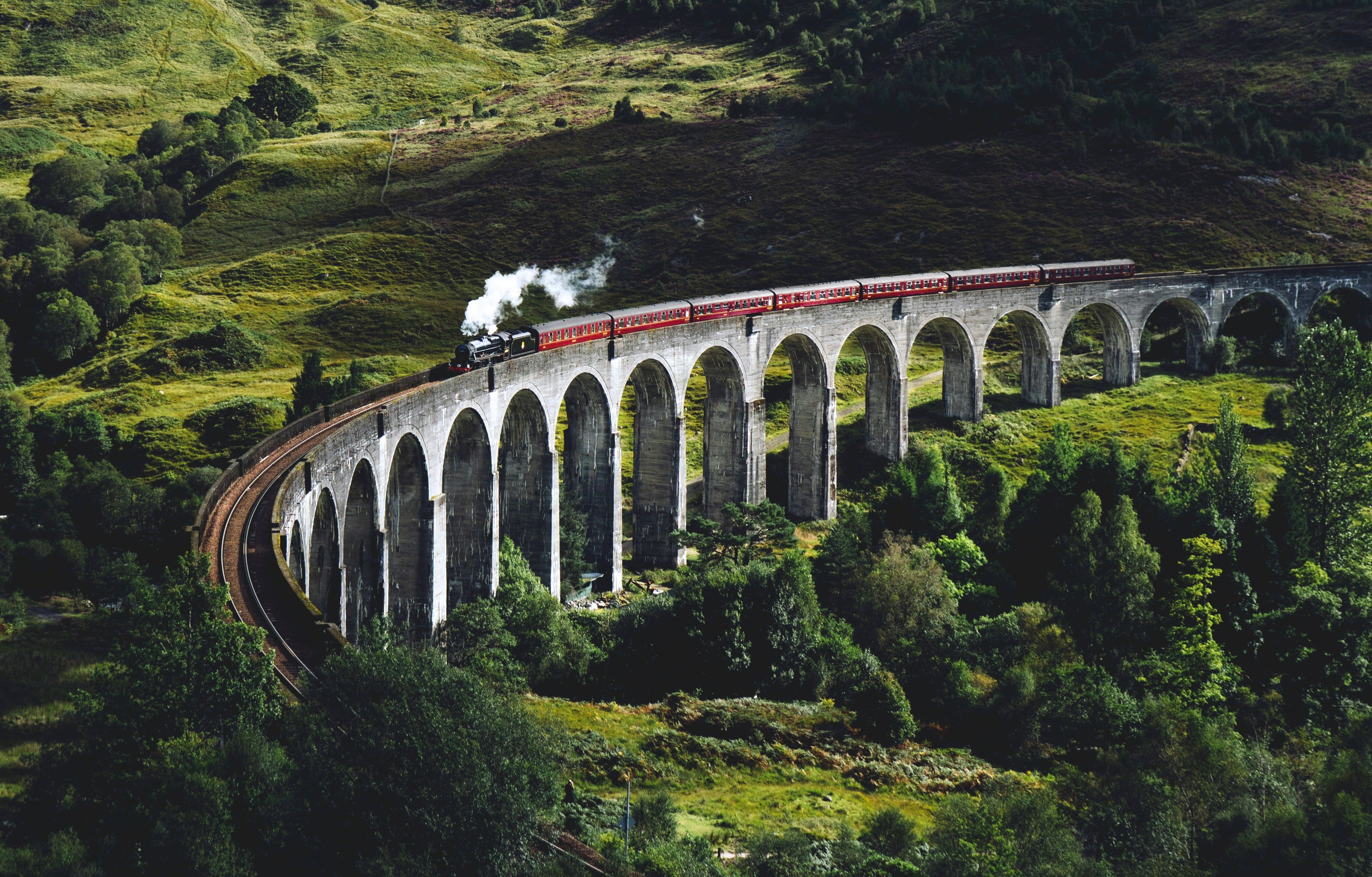
Back in the summer of 1981, I spent a few days with my mummu, kicking around her house while my mother visited with old friends she hadn’t seen since we moved South the year before.
Neither my grandmother nor the location was particularly thrilling to a pre-teen, and like many Finns of her era, she felt no need to entertain a child. Her own entertainment consisted of silence and a crossword.
Her pristine living room did not invite exploration, so one morning I climbed to her attic in search of something to read. After sifting through boxes of ’50s pulp, I uncovered a well-loved green hardcover. It was plain beyond the black text on the spine that said Anne of Green Gables, and the endpapers were foxed but solid. The copyright page it had been first published in 1908; this beat-up hardcover was from 1935.
Not one to judge a book by its cover, I read the first chapter. By nightfall I had finished the book and started it again. Watching Anne and the Cuthberts fumble toward affection made me see my own stoic grandmother in a new light. Perhaps like the Cuthberts, she was practicing love…just in a different way than I was used to.
When I got home to South Carolina, I headed to the public library for the sequel, Anne of Avonlea. It wasn’t on the shelf. I asked the youngish librarian to check the catalog. No, they didn’t have it. I asked if any nearby branch might, and described the book. She studied me and said, “I’ve never heard of this author. It’s unlikely.”
This was my first experience with a literary memory gap.
By “memory gap,” I mean the space between what one generation swears everyone knows and what the next generation has never heard of. This gap opens quietly, then widens as parents age out of gatekeeping and schools swap out syllabi. Today, Harry Potter sits right on that seam, still bright, but already dimming at the edges.
Now, Anne of Green Gables has never gone out of print in roughly 120 years, but its popularity has risen and fallen. In the 1930s, when my grandmother bought her copy, the Library of Congress counts 609 mentions in U.S. newspapers and periodicals, driven in part by a popular movie adaptation.
By the 1970s that number had dropped to ten.
When I found my grandmother’s copy that summer, the novel sat at the end of a long trough in popularity according to Google Books’ Ngram, which charts how often specific words or phrases appear over time.
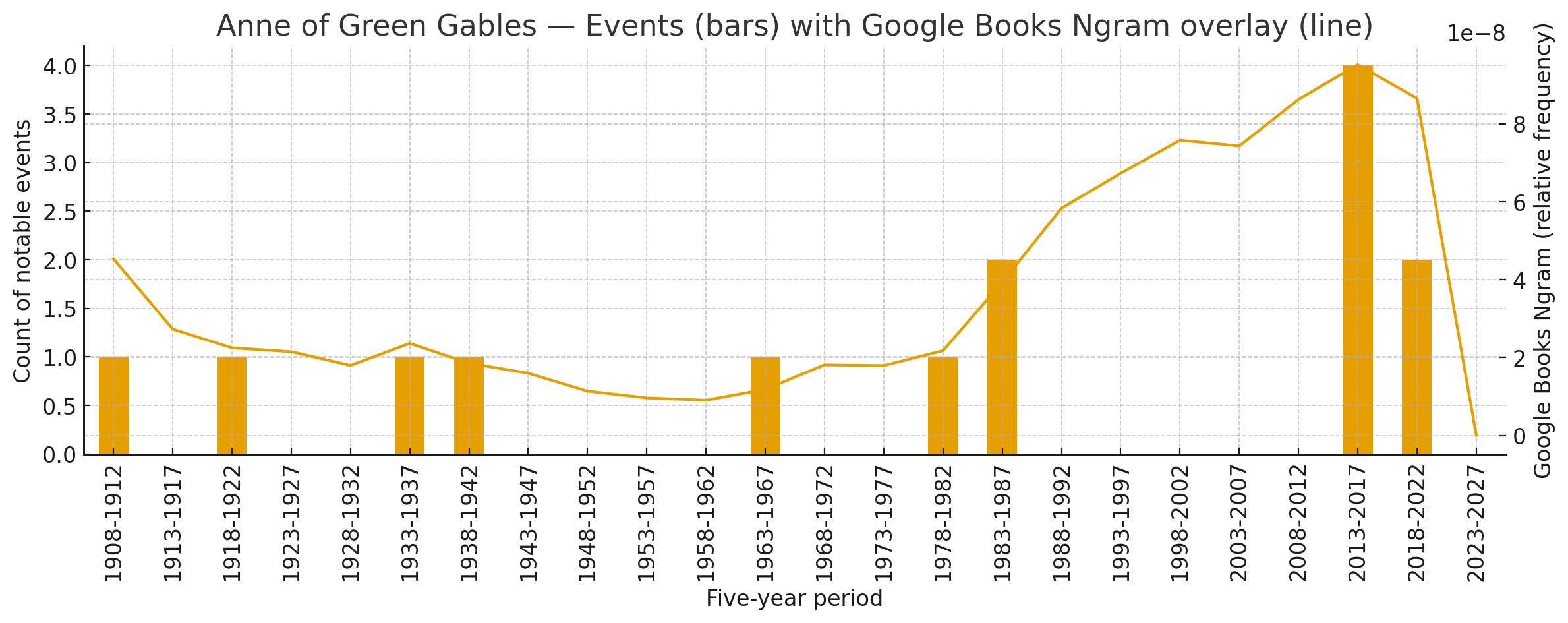
A few years later the CBC miniseries arrived, and interest spiked. Suddenly everyone knew Anne again, and the books were everywhere.
Recently, interest spiked again with the release of Netflix’s Anne with an E, which offers a grittier reimagining. While leaning into the original’s subtexts, including Anne’s feminism, it adds new threads on identity, race, sexuality, and colonial history. But to be clear, this is not Montgomery’s original Anne.
If Anne is a tide that keeps returning, Harry Potter is a storm surge that redrew the shoreline. The series made a once-in-a-generation swell that sold out midnight parties, minted a shared vocabulary, and changed how schools, libraries, and families talk about reading.
But tides settle. The books will stay known, but not as the default choice for what families watch, read, or pick as Halloween costumes.
Schools and libraries will keep core copies. Parents who grew up with the series will pass it on, though some will pause at the author’s public stances and choose something else. New adaptations will spark interest and then fade. College courses featuring the series, which peaked in the early 2010s, have already declined as the students most imprinted on the books age out.
We have seen this cycle before. Ben-Hur outsold almost everything in its day, filled theaters with stage spectacles, and lived in popular memory for one famous scene, until the 2016 movie version arrived (and bombed.) Uncle Tom’s Cabin set the culture on fire, then receded into survey courses and footnotes. Pollyanna and Little Lord Fauntleroy were national crazes.
The words survived. The books mostly did not. Popularity is not a promise of permanence.
Children’s series ride the same wave. The Bobbsey Twins and Tom Swift sold by the mountain and now live in archives. Nancy Drew and The Hardy Boys never left, but their readership narrowed and their text kept getting revised to match each new decade. Goosebumps flashes into view, then disappears, then returns again.
The question is: why does this happen?
Why books rise and fall with generational turnover
Parents and grandparents edit our cultural reading list by what they read aloud and buy. Schools and librarians do it by what they assign or shelve. Publishers and platforms change popularity by their reissue and feature decisions. Meanwhile, filmmakers and streamers can champion backlist titles, bringing on a sudden revival.
Public debate has a hand, too, turning some books hot and others cold.
Harry Potter is now in the hands of Millennial parents, who are poised to hand down their prized boxed sets. In 2023, Scholastic released 25th Anniversary editions of Harry Potter, pushing an anniversary bump. Put together with remaining library copies, the title has obvious staying power, at least for the short term.
But cultural taste keeps time. We pass along the stories that shape us between eight and sixteen, first to our children. In the U.S., first-time parents are often in their mid- to late- twenties, so the handoff happens a few years later when those kids begin to read. It repeats a generation later when those same parents, now in their sixties, share favorites with grandchildren. After that, the family line thins and the market tilts toward whatever speaks to the next set of kids.
Grandparenthood is typically the outer edge of influence. Most Americans over sixty-five have grandchildren, but far fewer have the lifespan or proximity to curate books for great-grandchildren. In practice, most books get two strong chances to get passed down: parent to child, then grandparent to grandchild. Beyond that, the chain weakens unless schools or pop culture keep it alive.
The child’s age is also a factor. Family read-aloud time is strongest in the early years, when nostalgia does the most work. Scholastic’s Kids & Family Reading Report finds that over 80 percent of kids and parents enjoy reading aloud together, and most parents say reading for fun really matters. By middle-school, however, most children are reading without parental oversight, if they’re reading at all.
That closeness can supercharge a handful of titles for a generation, but it rarely carries them through three or four. The center of gravity keeps shifting to whatever the next group of eight-year-olds discovers.
Still, some books do weather the years. The Tale of Peter Rabbit hopped in back in 1902 and never left the nursery. Madeline has kept its brisk charm since 1939. Curious George has been getting into trouble since 1941. Goodnight Moon has been tucking kids in since 1947. Decade after decade, these four keep finding their way into small hands and bedtime routines.


Images sourced from the great Powell’s Books. Please support them if you need a copy.
How books come back from obscurity
Regardless of whether a book is for children or adults, the road back to popularity usually has a guide: a sharp new edition with a real campaign, a screen adaptation that lands, or a critic who refuses to let the ember die.
Margaret Atwood’s The Handmaid’s Tale held steady for decades, then the 2017 Hulu series vaulted it into the conversation again. Sales jumped, the book returned to bestseller lists, and everyone was reminded that a classic can feel newly urgent when the world tilts.
Political shocks are accelerants. Surveillance debates, culture-war skirmishes, and state overreach send Orwell and Atwood upward because they decode the moment. When the ground moves under us, older fiction snaps into focus and shows how yesterday’s warning signs fit with today’s headlines.
Sometimes the return is quieter. John Williams’s Stoner, published in 1965 and long out of print, was revived by NYRB Classics and a wave of European enthusiasm after translators championed it. It became a Waterstones Book of the Year and a word-of-mouth hit almost fifty years after publication. Or think of Zora Neale Hurston. Alice Walker’s 1975 essay helped spark a broad rediscovery that led to new editions and a permanent place in syllabi.
Out-of-print books do not resurrect themselves. People resurrect them, by making the case and putting a copy in someone’s hands.
Adaptations can also reawaken deep backlists. Dune was already a pillar of science fiction, but the recent films sent a new generation to the novels and pushed the whole franchise back into the sales stratosphere.
But sometimes even a screen lift isn’t enough. Disney’s 2012 John Carter, an adaptation of Edgar Rice Burroughs first John Carter novel, face-planted, losing the studio a fortune. This one stung at my house, since my son is named after the hero.
Why this matters to you
Whole generations of readers laughed, argued, wept, and fell in love over titles you don’t know. The cultural spotlight may move, but quality does not. If a book once led the conversation, it may be worth discovering on your own.
This is where serendipity comes into play. A used shop or a good library sale is one of the last places where chance has room to operate. That’s where the real magic lives on within imperfectly organized shelves and in last-chance boxes.
Look for the ex-library stamp, the penciled price on the flyleaf, the worn Penguin orange, or the classic Virago green. Perhaps a neglected book waits with the exact sentence you need, biding its time until you to become its champion. Readers rescue books from obscurity the old way, through simple word of mouth.
Conclusion
In that attic I knew nothing about print runs or popularity dips. I only knew the feel of that rough green cloth under my fingers and the sense that a stranger on Prince Edward Island had reached across seventy years to tap my shoulder, just a little girl in her grandmother’s quiet house reading a book so far out of fashion a librarian shrugged at its name.
When the CBC miniseries arrived I understood why that old copy felt like a secret. The tide turned and everyone was suddenly in on it, but my first love for Anne stayed private and stubborn and complete.
Will Harry Potter suffer the same fate? Not soon, but historical patterns imply that someday it, too, will slip into semi-obscurity.
I was a bookseller during its original surge to fame, on the front lines of the preorder rush. We built lists, checked them twice, answered the same hopeful phone call five different ways, and kept the cartons with do-not-open tape in the back until release morning. Parents came in with sleepy kids and a weekend plan. We rang and restocked and watched families turn pickup day into a small ritual.
Those now-adult children will pass on their love of the series as they become parents. But some will pause and choose something else. A few years from now a teenager may find a sun-faded boxed set at a library sale, read all week, then wake the next Sunday and begin again. The white-hot excitement over the series will be gone. The spark will not.
The cultural gap for Harry Potter is already opening. The series will stay available, just not automatic. In another turn of the wheel, a teacher will swap in a newer saga, a parent will hand their kid a different boxed set, and the shared list will shift by a few degrees. That is how cultural memory edits the canon we think we have in common.
That is the pattern and the promise. Books move in and out of the light. A new generation (and a little luck) decide.
Addendum: Books I would save from obscurity
Everyone has a few favorites that deserve more readers. These are mine.
The Country Bunny and the Little Gold Shoes
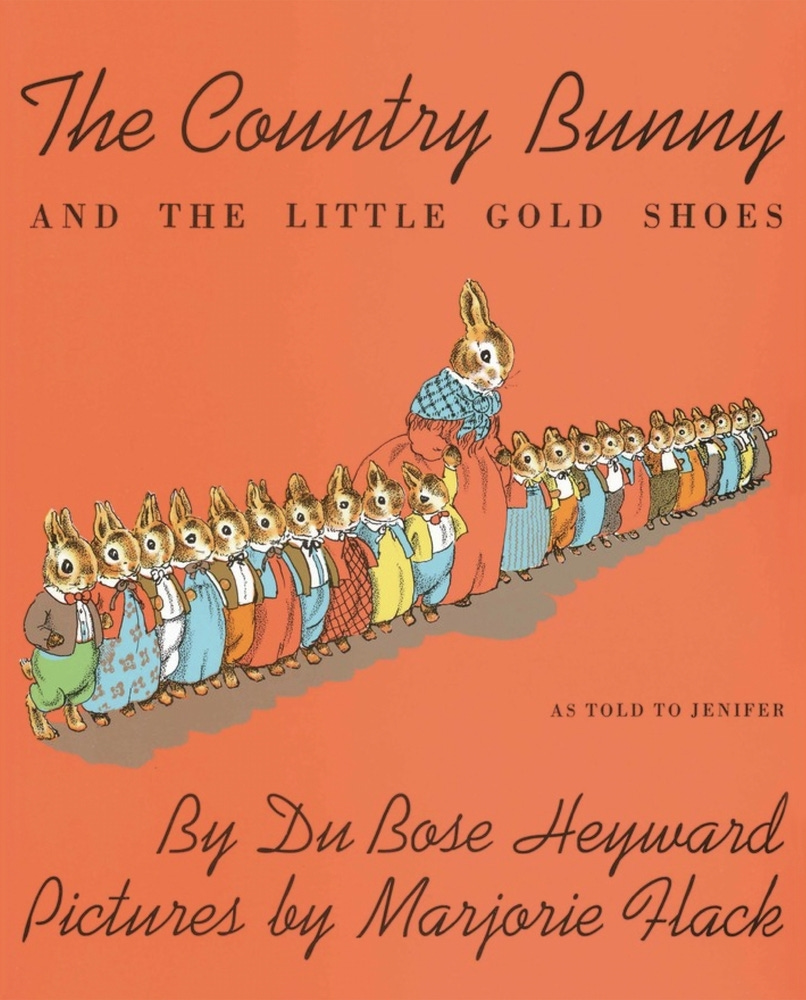
An early childhood favorite that was first published in 1939, this book is a surprisingly feminist-forward picture book that insists true leadership springs from discipline, empathy, and organization, not bravado or pedigree.
The Forgotten Door
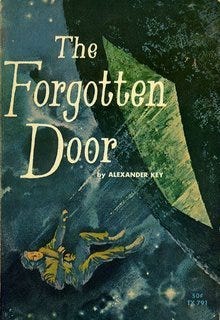
Published in 1965, this YA novel from Alexander Key follows Jon, a telepathic boy who tumbles through a portal to rural Earth and loses his memory. John recoils from guns and cruelty, and his calm refusal to retaliate exposes violence as a choice rather than a necessity. Alexander Key is better known for Escape to Witch Mountain, which was adapted several times by Disney.
If you enjoyed this post, consider buying me a $3 coffee. It keeps the lights on and the stories coming.
A Ring of Endless Light
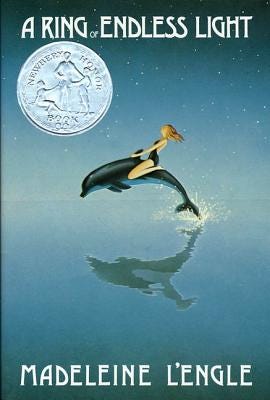
A Ring of Endless Light isn’t obscure so much as overshadowed by L’Engle’s bigger titles. I think it’s the best of the Austin books. Caught between friendships and first love, science and faith, fear and hope, Vicky Austin learns to hold joy and grief together, finding a steadier center in the “ring of endless light” that threads through family, love, and the living world.
This book was my therapy after the death of my 13-year-old sister in 1980; I essentially read the covers off my copy.
Flowers From the Storm
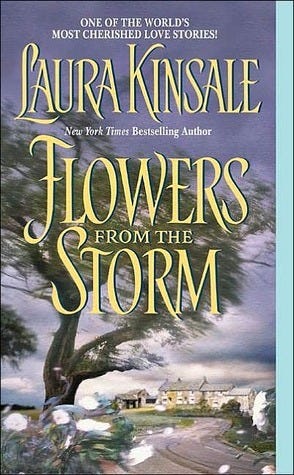
Likely the most unique traditionally published romance you’ll ever pick up. A brilliant duke suffers a stroke, loses his words, and is confined to an asylum. A principled Quaker woman steps in, and the romance builds through patience, touch, and the slow return of language. Consent, class, faith, and mathematics all matter here, and the result is tender, complex, and unforgettable.
…and many, many more. This will do for now.
What titles would you add to the list?